Featured
The Ultimate Guide To Free Accessible Financial Literacy ...
Not known Details About Maintaining Post-Bankruptcy Budge...
An Unbiased View of Free Learning Debt Counseling Resourc...
Not known Facts About How Kickstart Your Credit Goals & Understand Your Credit Score: APFSC Guarantees Legal Compliance
Table of Contents
While new credit rating can aid you reconstruct, it's important to space out your applications. If you have a member of the family or pal with excellent credit, consider asking to add you as an authorized customer on among their bank card. If they do it, the complete background of the account will be contributed to your credit reports.
Prior to you consider debt settlement or bankruptcy, it is essential to recognize the possible advantages and negative aspects and exactly how they may relate to your scenario. Here's what to remember. Both choices can reduce or eliminate big portions of unsecured debt, helping you prevent years of unmanageable repayments. Working out a financial obligation or filing for insolvency can quit legal actions, wage garnishments, and aggressive creditor activities.
If you're uncertain that debt settlement or bankruptcy is ideal for you, below are a few other financial obligation alleviation choices to take into consideration. Properly will depend upon your scenario and objectives. If you have some adaptability with your budget plan, here are some accelerated debt settlement alternatives you can pursue: Beginning by providing your financial obligations from the smallest to the biggest balance.
What Does Is Kickstart Your Credit Goals & Understand Your Credit Score: APFSC Work for Your Case Do?
The therapist works out with creditors to reduced rate of interest rates, waive late fees, and create a manageable month-to-month repayment. You make one consolidated settlement to the company, which then pays your banks. While a DMP doesn't decrease the principal balance, it aids you settle debt quicker and much more affordably, typically within three to 5 years.
While you can negotiate with financial institutions on your own, it's frequently a difficult and time-consuming procedure, particularly if you require to resolve a huge quantity of financial obligation throughout several accounts. The procedure calls for a strong understanding of your finances and the lender's terms as well as self-confidence and persistence. Because of this, there are financial obligation relief firms additionally referred to as financial debt negotiation companies that can take care of the settlements for you.
People who enlist in debt relief programs have, on average, approximately $28,000 of unprotected financial obligation throughout virtually 7 accounts, according to an evaluation appointed by the American Association for Financial Debt Resolution, which considered clients of 10 significant financial debt relief business in between 2011 and 2020. Concerning three-quarters of those clients had at the very least one financial debt account efficiently cleared up, with the typical enrollee working out 3.8 accounts and more than half of their signed up financial debt.
It prevails for your credit history to drop when you initially begin the debt alleviation process, especially if you quit paying to your lenders. As each debt is worked out, your credit report should begin to rebound. Make sure you comprehend the complete costs and the result on your credit report when examining if financial obligation settlement is the best choice.
7 Easy Facts About Your Legal Rights According to State Law Described
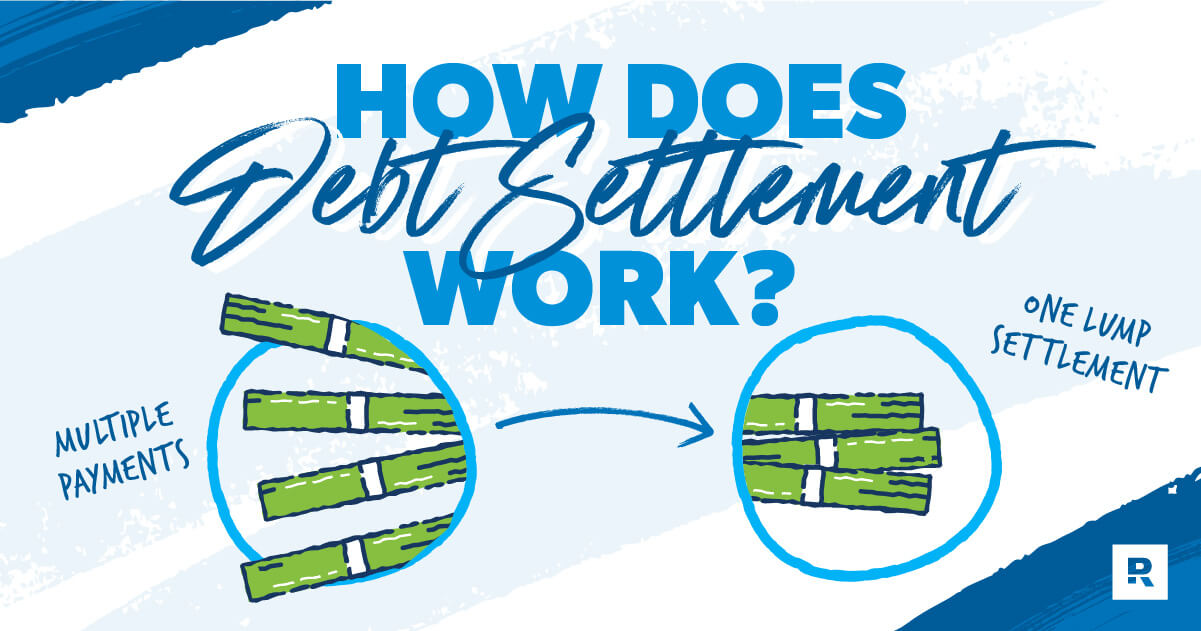
As discussed over, there are choices to financial obligation negotiation that may be a much better fit for your monetary circumstance. Below's a fast breakdown of how each option functions: Financial obligation combination lets you combine multiple financial obligations into one by getting a new lending to repay your present financial obligations. This strategy transforms several debts into a solitary month-to-month payment and usually provides a reduced rates of interest, streamlining your financial resources and potentially conserving you cash with time.
Right here's exactly how each one jobs: Financial debt combination loans: These are individual financings that you can utilize to resolve your existing financial debts, leaving you with simply one month-to-month expense, typically at a lower rate of interest. Balance transfer credit report cards: This involves moving your existing bank card equilibriums to a brand-new credit history card that uses a lower rate of interest or a marketing 0% APR for a set duration.
When the duration ends, rates of interest will certainly be significantly high commonly over 20%. Home equity financings or HELOCs (home equity credit lines): These loans permit you to borrow versus the equity in your home. You receive a round figure or a line of debt that can be made use of to pay off financial obligations, and you normally take advantage of reduced rate of interest compared to unsecured loans.
"Bankruptcy Is a Failure" Debunked for Beginners
These plans have numerous advantages, such as streamlining your payments by settling multiple right into one and possibly minimizing your rates of interest. They commonly come with a setup cost varying from $30 to $50, and a regular monthly maintenance charge of around $20 to $75, depending on the company you work with.
Having a great deal of financial debt can be overwhelming, but it's still vital to put in the time to take into consideration the information of various remedies so you comprehend any possible risks. The most effective financial debt strategy for you relies on your economic situation. If you're fighting with your expenses however still haven't missed out on any kind of settlements, a financial debt management strategy could be a good fit specifically if you don't want your credit report to container.
Whichever your situation is, consider talking to a licensed debt therapist, a bankruptcy lawyer, or a certified financial debt professional prior to moving on. They can assist you get a full understanding of your funds and alternatives so you're much better prepared to choose. One more variable that influences your choices is the kind of financial debt you have.
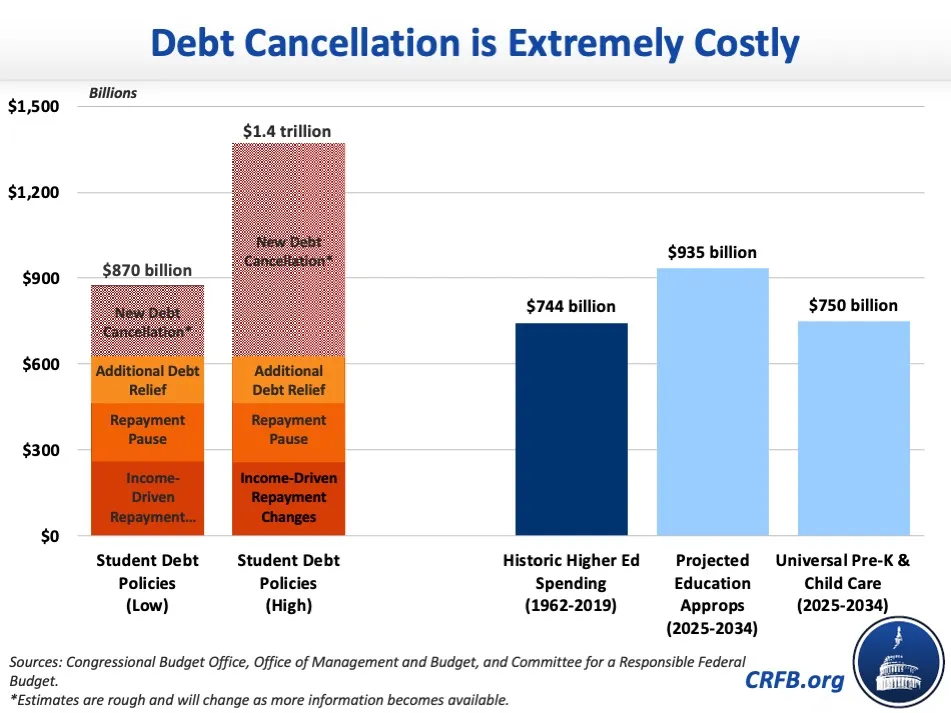
It is necessary to recognize that a discharge is distinct from financial debt mercy, and debt does not obtain "forgiven" with an insolvency filing. Our West Hand Coastline bankruptcy lawyers can clarify in more information. Generally, "financial debt forgiveness" refers to a situation in which a creditor does not believe it can gather the sum total of the financial debt owed from a borrower, and either quits trying to accumulate or consents to forgive an amount less than what the borrower owed as component of a financial debt negotiation agreement.
3 Simple Techniques For Restoring Personal Financial Standing the Right Way
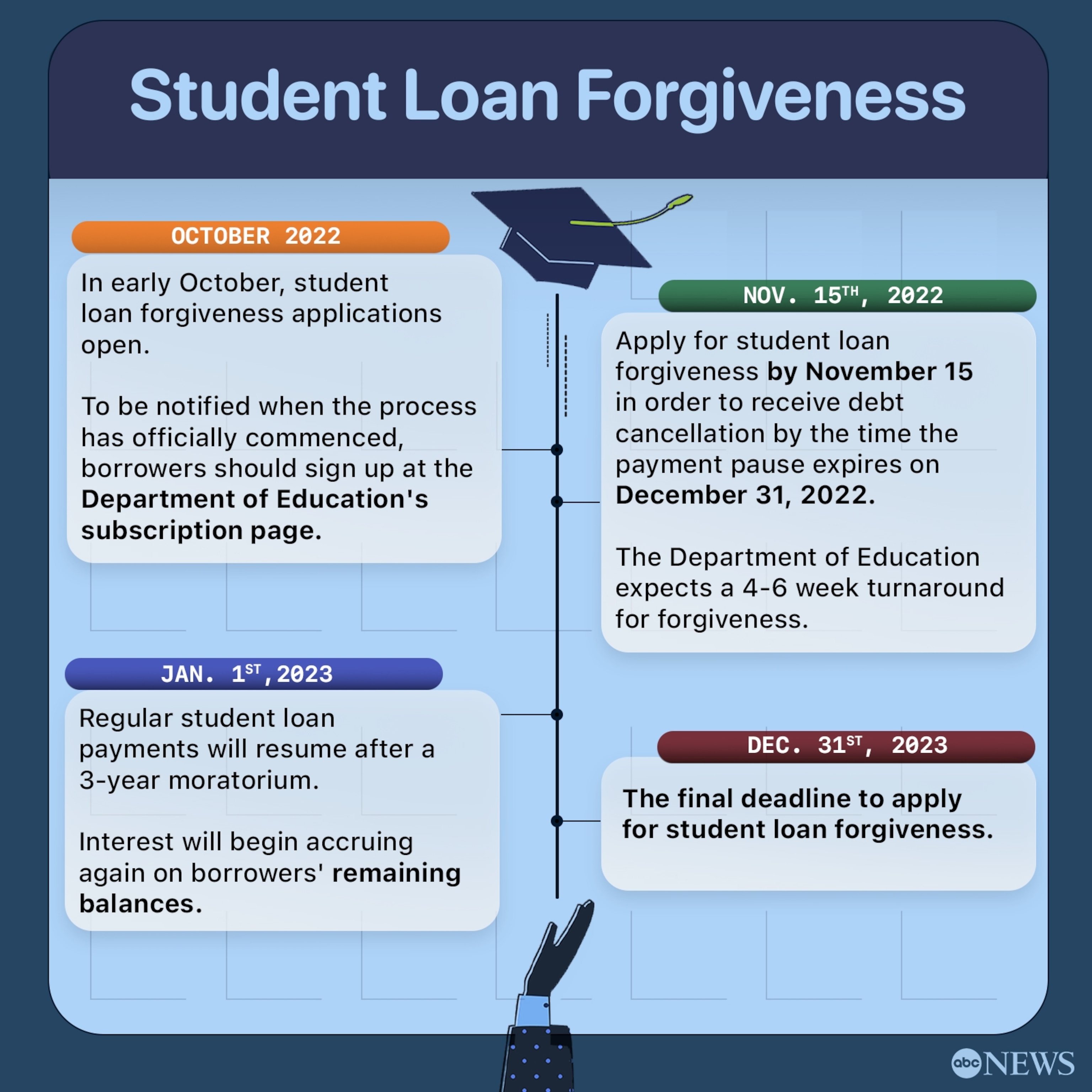
When this occurs, the debt will be taken into consideration "terminated" by the internal revenue service, and the borrower will usually get a termination of debt develop the quantity of financial obligation forgiven is taxed. In an insolvency case, debt is not forgiven by a lender. Rather, it is released by the insolvency court, and discharge has a different significance from financial obligation forgiveness.

Table of Contents
Latest Posts
The Ultimate Guide To Free Accessible Financial Literacy Materials for Consumers
A Biased View of Does Debt Forgiveness Right for You

Not known Details About Maintaining Post-Bankruptcy Budget That Works
More
Latest Posts
The Ultimate Guide To Free Accessible Financial Literacy Materials for Consumers
A Biased View of Does Debt Forgiveness Right for You
Not known Details About Maintaining Post-Bankruptcy Budget That Works